As the Republic of South Sudan joins the global community in commemorating International Labour Day 2026, the nation pauses to honour the men and women whose daily efforts sustain the fabric of society and drive the country’s development forward. Across towns, villages, and institutions, workers remain the silent architects of progress—resilient, determined, and committed despite the many challenges they face.
Labour Day, observed annually on 1 May under the guidance of the International Labour Organization, is more than a symbolic date on the calendar. It is a moment of national reflection—an opportunity to recognize the dignity of work and the indispensable role that workers play in shaping the future of South Sudan. This year’s global and national themes place renewed emphasis on “decent work” as a foundation for peace, stability, and sustainable economic growth.
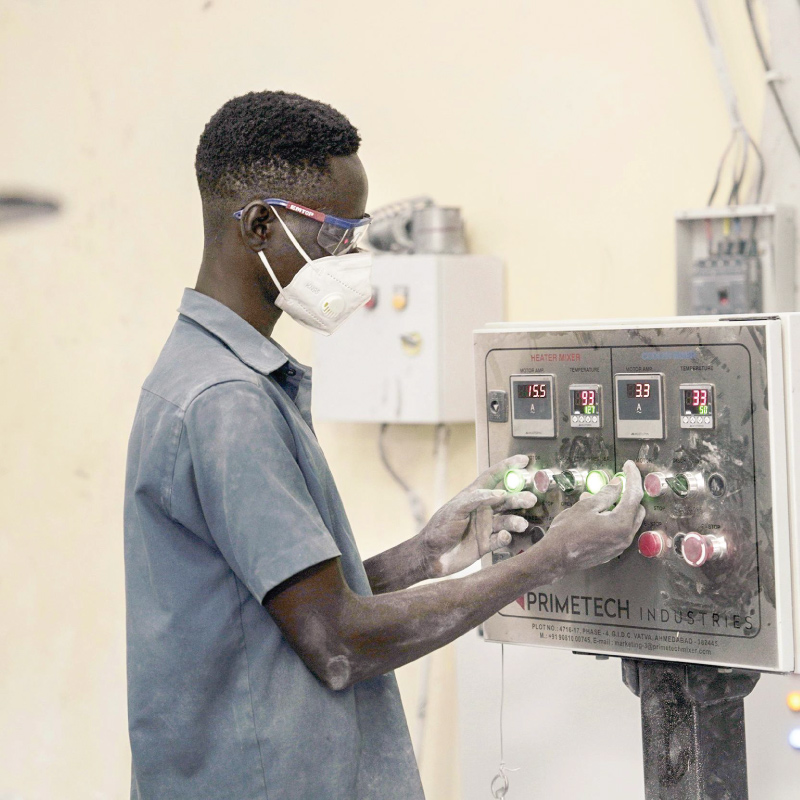
From the fertile fields of rural communities to the bustling markets of Juba and beyond, South Sudanese workers continue to demonstrate remarkable resilience. Farmers cultivate the land to ensure food security; teachers nurture the next generation with knowledge and skills; healthcare workers provide lifesaving services under demanding conditions; traders and entrepreneurs sustain local economies; and civil servants keep the machinery of government functioning. Each of these contributions—often made quietly and without recognition—forms the backbone of national development.
Yet, this year’s Labour Day observance is not solely about celebration. It is also a call to action. The challenges facing workers in South Sudan are well known: limited employment opportunities, evolving labour markets, gaps in social protection, and the need for improved working conditions. Addressing these issues requires a collective commitment from government, the private sector, development partners, and workers themselves.
The Government of South Sudan has reaffirmed its dedication to advancing labour reforms that prioritize fairness, transparency, and sustainability. Efforts are underway to review public service pay structures, enhance workplace conditions, and establish clearer pathways for career progression. These reforms aim to build a motivated and professional workforce capable of delivering quality services to citizens and contributing meaningfully to national growth.
Equally important is the commitment to protecting workers’ rights. Upholding labour laws, promoting safe and healthy workplaces, and ensuring equitable treatment for all workers are essential pillars of a just society. Strengthening institutions that oversee labour relations will be critical in fostering trust and cooperation between employers and employees.
Labour Day also reminds us of the importance of investing in human capital. Education, vocational training, and skills development must remain central to national priorities. As South Sudan continues its journey toward stability and prosperity, empowering young people with practical skills and opportunities for employment will be key to unlocking the country’s full potential.
The private sector, too, has a vital role to play. By creating jobs, fostering innovation, and adhering to fair labour practices, businesses contribute not only to economic growth but also to social cohesion. Partnerships between government and industry can accelerate progress and ensure that development is inclusive and sustainable.
As we mark this important day, it is essential to recognize that the strength of South Sudan lies in its people. The determination of its workers—whether in formal employment or the informal economy—continues to drive the nation forward, even in the face of adversity. Their resilience is a testament to the enduring spirit of the country.
International Labour Day 2026, therefore, stands as both a celebration and a renewed commitment. It is a reminder that building a peaceful and prosperous South Sudan depends on valuing its workforce, investing in their wellbeing, and creating an environment where every worker can thrive.
In honouring workers today, we also shape the future of tomorrow. Together, through shared responsibility and collective action, South Sudan can build a stronger, more equitable nation—one where the dignity of work is upheld and every contribution is recognized as part of the journey toward lasting peace and development.